If you work in Savannah but want your home life to feel a little more spread out, Richmond Hill often lands on the shortlist for a reason. You may be trying to balance a daily commute with neighborhood options, outdoor space, and the kind of routine that feels manageable after a long workday. This guide walks you through what everyday life in Richmond Hill can look like for Savannah commuters so you can decide whether the fit makes sense for your next move. Let’s dive in.
Why Richmond Hill Appeals to Commuters
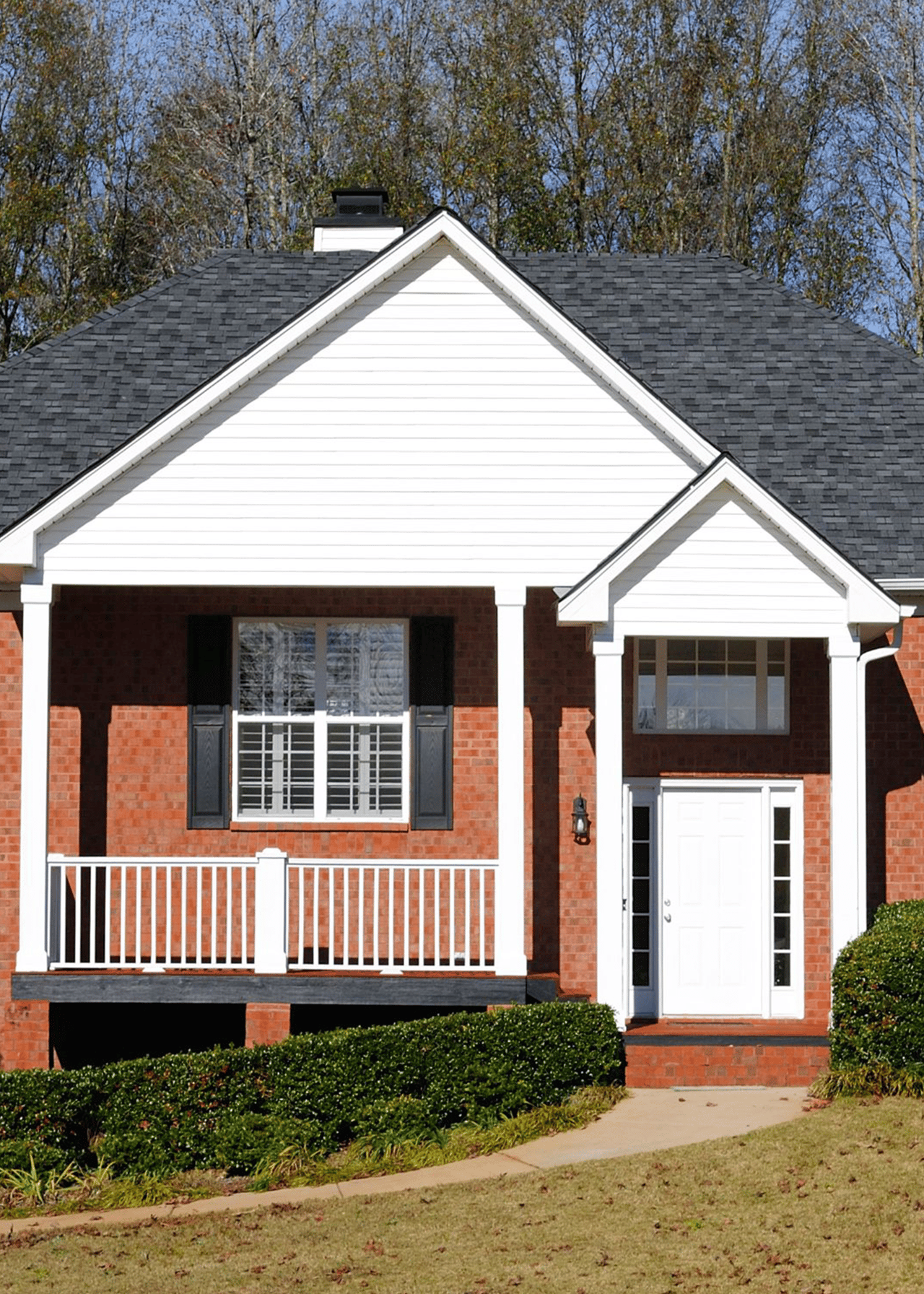
Richmond Hill has the feel of a newer suburban city with a broad range of housing types and a road network built around daily travel north toward Savannah and nearby employment centers. City planning documents describe more than 40 designated neighborhoods and residential clusters, with housing that includes detached single-family homes, attached homes, townhomes, duplexes, apartments, and assisted living.
That variety matters if you are trying to match your home to your routine. Roughly 75% of the housing stock is single-family, and about two-thirds of homes were built after 1990, which supports the newer-home, suburban feel many buyers expect in this part of Bryan County.
Commute Routes to Savannah
For most commuters, the daily pattern starts with the main road corridors. Richmond Hill’s planning documents identify SR 144 and US 17 as major arterials, and I-95 also intersects the city, making these roads the backbone of travel for Savannah-bound traffic.
Those same planning documents also note congestion along SR 144 and US 17 as a transportation challenge. In plain terms, if you live in Richmond Hill and work in Savannah, your routine will likely be shaped by these corridors, especially during peak travel times.
GDOT project materials also show ongoing work to widen I-95 from SR 144/Ford Avenue to the Savannah River. For buyers, that signals just how important this route is to the area’s daily movement, even as traffic remains part of commuter life.
Nearby Job Hubs
Richmond Hill works well for people commuting to a range of Coastal Georgia employers. Nearby job anchors include military, logistics, aviation, and airport-related employment.
Fort Stewart-Hunter Army Airfield describes itself as the Army’s home in Coastal Georgia, and Hunter Army Airfield is identified as the home of the 3rd Infantry Division. In Savannah, major employment hubs also include the Port of Savannah, Savannah/Hilton Head International, and Gulfstream.
If you are military, civilian, or contractor-connected, that mix can make Richmond Hill a practical home base. It places you within reach of multiple job centers instead of tying your options to a single employer corridor.
Backup Transit Option
Most households here still build their schedule around driving, but there is a backup option noted in the city plan. Coastal Regional Coaches offers demand-response public transit in Bryan County Monday through Friday from 7:00 a.m. to 5:00 p.m., and the service is available to anyone for any purpose and destination in the coastal region.
That may not replace a daily car commute for many workers, but it can help with errands, appointments, or days when you need another transportation option. For busy households, having even limited backup service can make life easier.
Housing Choices in Richmond Hill
One of Richmond Hill’s strengths is that it does not force every buyer into the same housing pattern. The city’s planning and zoning documents show a wide mix of home types and lot sizes, which gives you more flexibility depending on budget, household size, and maintenance preferences.
If you want more separation between homes and a traditional suburban layout, larger-lot areas may appeal to you. If you prefer something more compact and lower maintenance, there are also attached-home and smaller-lot options in the city.
Lot Sizes and Neighborhood Patterns
Richmond Hill’s development code shows minimum lot sizes ranging from 20,000 square feet in R-1 zoning to 12,000 in R-2, 8,500 in R-4, and 4,500 in R-3. Minimum lot widths range from 110 feet down to 40 feet.
What that means for you is simple: Richmond Hill includes both larger-lot suburban neighborhoods and more compact residential areas. That range can be helpful whether you are looking for yard space, a more manageable footprint, or a home that better fits a commuter schedule.
What Daily Life Feels Like
For many Savannah commuters, the biggest question is not just where you drive, but how your day feels when you get home. Richmond Hill’s appeal is that many basic needs and recreation options are close at hand, which can reduce how often you need to leave the area for routine tasks.
The city’s official services support a fairly self-contained routine. Residents can reserve city facilities online, and the city provides water, police, fire, planning, and zoning services through its website. Curbside recycling is also collected every other week.
Those may sound like small details, but they matter when your weekdays are full. If your workday already includes a commute, convenience at home becomes a real quality-of-life factor.
Parks and Trails After Work
One of Richmond Hill’s strongest lifestyle advantages is its park system. For commuters, access to trails, playgrounds, and open space can make a big difference when you want to unwind without adding another long drive to your evening.
J.F. Gregory Park
J.F. Gregory Park is the city’s signature recreation space and one of the biggest reasons many residents enjoy living here. Richmond Hill describes it as a 335-acre multi-use park with bike and walking trails, picnic tables, a playground, and space for picnics, sports, canoeing, birding, fishing, hiking, strolling, and meetings.
The city also notes that a three-mile walking trail runs along a dike around a 300-acre rice field. For commuters, that gives you a straightforward option for after-work walks, casual birding, or just getting outside before heading home for the night.
More Local Park Options
J.F. Gregory is not the only option. Richmond Hill’s park system also includes community parks such as Boles Park and Sterling Creek Park, along with neighborhood parks including Blueberry Park and Richmond Heights Community Park.
Boles Park opened on an approximately seven-acre site and includes a meditation garden and playground phase. Sterling Creek Park is a 187-acre park with walking and bike trails, adding even more room for outdoor time close to home.
Weekend Rhythm Near Richmond Hill
A good commuter town also needs to work on weekends. Richmond Hill gives you access to local recreation during the week and a strong coastal-outdoors option nearby when you want a change of pace.
Fort McAllister State Park sits on the Ogeechee River and covers 1,725 acres. Georgia State Parks says it offers camping, fishing, boating, picnicking, nature trails, and historic earthworks, and it is located 10 miles east of I-95 on Spur 144.
For commuter households, that makes it an easy weekend destination without requiring a major travel day. You can keep your workweek practical and still have access to outdoor time that feels distinct from your normal routine.
Is Richmond Hill a Good Fit for You?
Richmond Hill may be a strong fit if you want a suburban setting, a mix of housing choices, and direct access to the roads that connect to Savannah and nearby military and employment hubs. It can also make sense if parks, trails, and easier household logistics matter to you as much as the home itself.
Like any commuter-oriented area, the tradeoff is that driving is still a major part of daily life, and key corridors can get congested. But if you value a newer-feeling residential environment and want everyday amenities and outdoor space close to home, Richmond Hill offers a practical balance.
When you are weighing homes in Richmond Hill, it helps to look beyond square footage and into the way your week will actually function. Your route to work, your access to parks, your errand pattern, and the kind of neighborhood layout you prefer all shape whether a move feels right in the long run.
If you are considering Richmond Hill as your base for commuting to Savannah, working with a team that understands PCS timelines, commuter patterns, and neighborhood differences can save you time and stress. Trophy Point Realty Group can help you narrow down the right fit and build a move plan that matches your daily routine.
FAQs
What is the main commute route from Richmond Hill to Savannah?
- Richmond Hill’s main commute backbone includes SR 144, US 17, and I-95, according to city planning documents.
What kinds of homes are available in Richmond Hill, GA?
- City planning documents describe a mix of detached single-family homes, attached homes, townhomes, duplexes, apartments, and assisted living, with most housing being single-family.
Does Richmond Hill have parks for after-work recreation?
- Yes. Richmond Hill has several parks, including J.F. Gregory Park, which features walking and bike trails, a playground, picnic areas, and a three-mile trail around a rice field.
Is Richmond Hill a good location for military and Savannah-area workers?
- Richmond Hill offers road access to Savannah, Hunter Army Airfield, Fort Stewart-related employment, and other major job hubs such as the Port of Savannah, Savannah/Hilton Head International, and Gulfstream.
Are there weekend outdoor activities near Richmond Hill?
- Yes. Fort McAllister State Park is nearby and offers camping, fishing, boating, picnicking, nature trails, and historic earthworks.
Does Richmond Hill offer any public transit option for Bryan County residents?
- Yes. The city plan says Coastal Regional Coaches provides demand-response public transit in Bryan County Monday through Friday from 7:00 a.m. to 5:00 p.m.