Trying to decide between Savannah’s North Historic District and the Starland District? You are not alone. Both offer walkable, in-town living with very different tradeoffs in price, space, and day-to-day rhythm. In this guide, you’ll learn how housing costs compare, what lifestyle to expect, and what to consider for renovations, permits, parking, and flood risk so you can buy or sell with confidence. Let’s dive in.
Quick snapshot
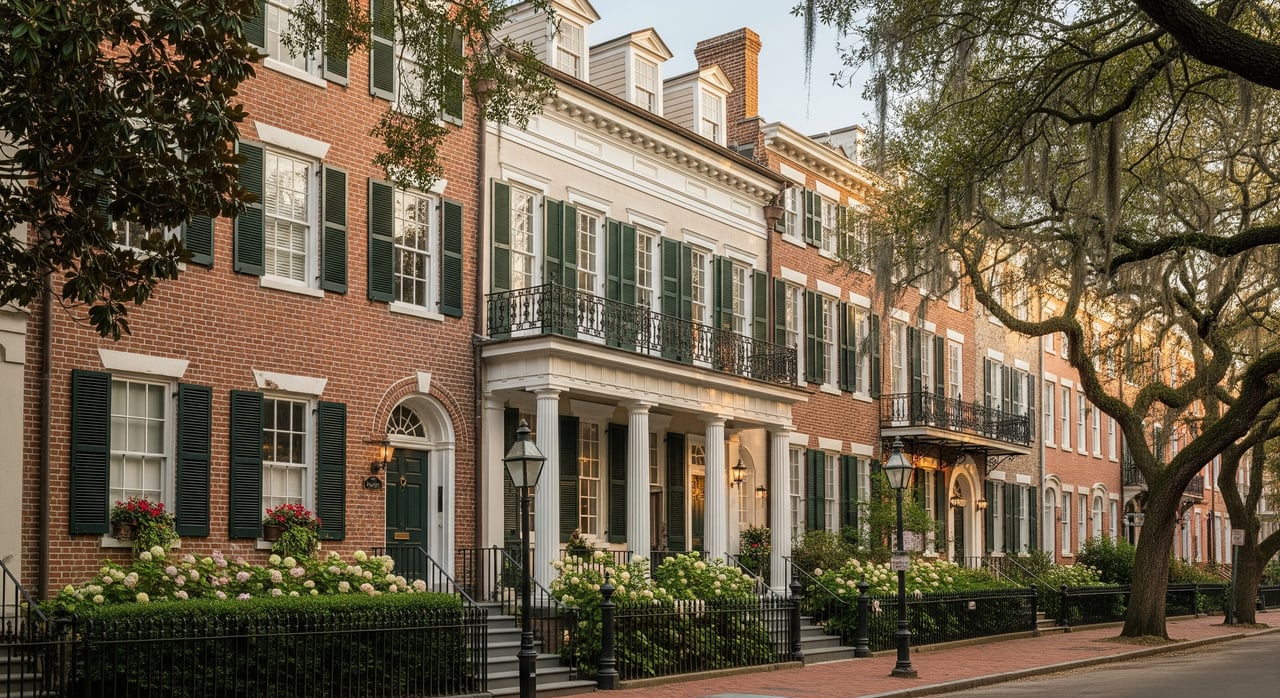
- North Historic District: Iconic squares, 18th-19th century architecture, dense urban blocks, strong tourism activity, and a prestige address inside a designated historic district.
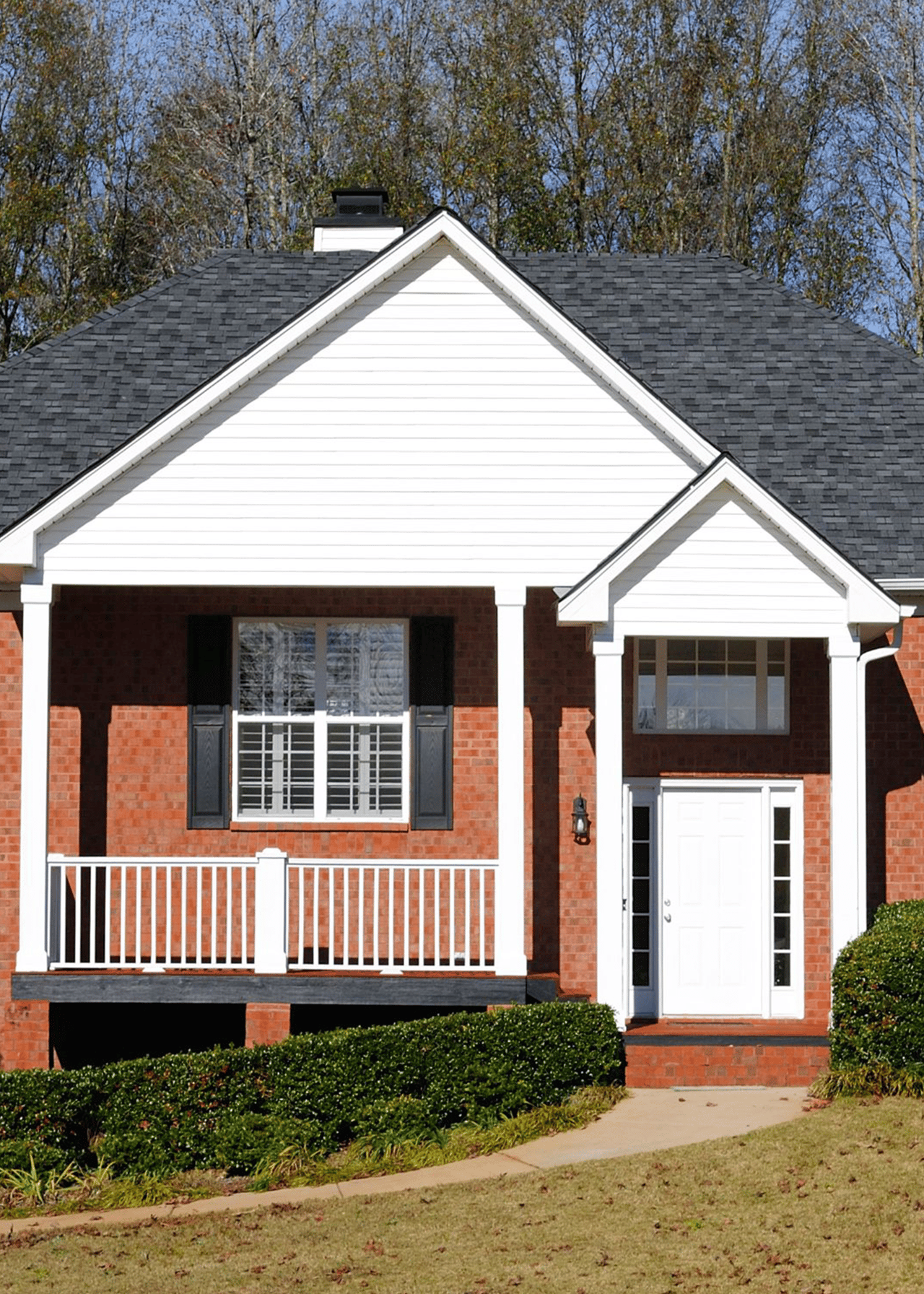
- Starland: An adjacent, arts-forward neighborhood with eclectic homes, creative small businesses, food trucks, and more detached housing on larger lots.
- Typical tradeoff: North Historic often commands a price premium for history and location but may offer smaller footprints and tighter parking. Starland tends to deliver more interior and yard space per dollar with a more flexible renovation environment.
- Buyer mix: Both areas attract owner-occupants, investors, and second-home seekers. Short-term rentals exist in both neighborhoods, subject to local licensing rules.
Housing costs and value drivers
What tends to cost more
Historic designation can carry a premium because character-rich homes near Savannah’s squares are scarce and highly sought after. In the North Historic District, you are paying for location, protected architecture, and walk-to-everything convenience. That premium can be offset by higher ownership costs for historically appropriate repairs and materials.
In Starland, many buyers find more square footage and yard space for the price. Detached homes and bungalows are common, and some properties allow more flexibility for additions or adaptive reuse, subject to current zoning.
Price per foot vs. total cost
Price per square foot in the North Historic District is often higher due to location and the cost to replace historic features. At the same time, many historic homes sit on smaller lots, which can keep total prices within reach for certain property types like condos or smaller rowhouses. In Starland, you may achieve a lower price per foot and end up with a larger overall home or yard, which matters for long-term livability.
Inventory and time on market
Inventory in the historic core is limited because supply is fixed and teardown-rebuild options are constrained by preservation rules. This can support values over time but may mean longer waits for the right layout, parking setup, or outdoor space. Starland’s evolving housing stock and ongoing renovations can produce more variety, though demand remains strong for well-located, updated homes in both areas.
Investors and STR dynamics
Both neighborhoods draw investor interest. Proximity to tourism and amenities can boost revenue potential, but short-term rental licensing rules are specific and can change. If revenue is part of your plan, verify whether a property has a valid, transferrable permit and confirm compliance before you make an offer. Also consider neighbor relations, turnover, and carrying costs when modeling cash flow.
Lifestyle and daily living
Walkability and transit
The North Historic District is extremely walkable to squares, restaurants, museums, the riverfront, and civic buildings. Streets can be narrow with pedestrian priority. Starland is walkable in its commercial pockets and arts corridors, though the area is more spread out with more surface parking and auto access. Bicycle routes and bus lines connect both neighborhoods to the broader city.
Dining, arts, and nightlife
In the North Historic District, you will find a dense concentration of tourist-facing restaurants, hotels, museums, and guided tours, which means high foot traffic and frequent events. Starland emphasizes local arts, galleries, murals, breweries, performance spaces, and spots like Starland Yard with food trucks and community events. If you want a creative scene with a neighborhood feel, Starland delivers. If you want immediate access to Savannah’s most iconic attractions, the Historic District is hard to beat.
Parks, yards, and outdoor space
The North Historic District offers multiple small squares and pocket parks within a short walk. Private outdoor space can be limited, especially for condos and rowhouses. Starland typically has more detached homes with private yards. If you value gardening, pets having room to roam, or a larger patio, this can be a key factor in your decision.
Parking, traffic, and noise
Parking is a meaningful consideration in the North Historic District. Many older homes lack off-street parking, and event congestion can make street parking competitive. Municipal permits and careful block-by-block evaluation are essential. Starland more commonly offers driveways and garages. If you own multiple vehicles or prefer off-street parking, this can tip the scales.
Renovation, permits, and risk
Historic approvals
In the North Historic District, exterior work typically requires review and approval through the city’s historic preservation process. Expect to seek a Certificate of Appropriateness for items such as windows, rooflines, porches, and new construction. Interiors are generally not regulated unless work impacts the exterior or structural components. Plan for additional lead time and potentially higher costs for historically appropriate materials.
Zoning flexibility in Starland
Starland is covered by different zoning categories that may allow more flexible uses or infill than the historic core. Buyers and small developers often find it easier to add accessory dwellings, expand footprints, or adapt nonresidential spaces, subject to current zoning requirements. Always verify what is allowed on a specific parcel before you buy.
Flood zones and insurance
Parts of both neighborhoods can fall within FEMA-designated flood zones. Properties closer to the riverfront in the North Historic District may face elevated coastal storm surge and tidal flooding risk on some blocks. Flood zone status impacts insurance and mortgage requirements. Ask for an elevation certificate and factor flood insurance into your budget.
Older home realities
Homes built before 1978 may include lead paint. Older systems can require electrical upgrades, plumbing replacement, foundation stabilization, and termite mitigation. Historic properties often need specialized trades for millwork, masonry, and period windows, which can extend timelines. Starland homes vary widely by age and condition. Some are modernized, while others require full-system updates. Scope carefully during due diligence.
Carrying costs and resale
Taxes and assessments
Review recent assessments through Chatham County records to understand current tax obligations. Assessment values can lag market reality, and appeals may be relevant in certain cases. Ask whether any special assessments or district fees apply to your block.
Insurance and maintenance
Historic homes can carry higher replacement-cost premiums based on materials and location. Flood and wind coverage may be necessary depending on the parcel and elevation. In Starland, modernized systems can lower near-term maintenance costs, but condition and prior upgrades matter more than neighborhood labels. Budget for ongoing upkeep in either area.
Value stability and upside
Designated historic districts with constrained supply often show strong long-term value stability, especially in cities with robust tourism. They can also be sensitive to policy or tourism cycles. Starland’s continued reinvestment and infill create potential upside for renovated homes and small multifamily. Your best protection is buying the right property on the right block with a clear plan for improvements and holding period.
Which neighborhood fits you
- Choose the North Historic District if you want iconic architecture, high walkability to Savannah’s signature destinations, and a prestige address within a protected historic environment. You are comfortable with preservation approvals, limited off-street parking on some blocks, and potentially higher maintenance.
- Choose Starland if you want more interior space or a private yard for the price, love an arts-forward neighborhood vibe, and prefer more flexibility to expand or adapt a property, subject to current zoning and permitting.
- For investors: Historic can work for premium rentals and select licensed short-term rentals, but model higher carrying and approval costs. Starland can fit value-add strategies and small multifamily or ADU concepts where allowed.
Seller tips by neighborhood
Selling in the Historic District
- Document and highlight preservation work, including any Certificates of Appropriateness and careful material choices.
- Stage to showcase architectural details like staircases, millwork, and original masonry.
- Be upfront about parking arrangements and any municipal permits. If the home holds a valid and transferrable short-term rental license, make that clear in marketing materials and confirm details with the city.
Selling in Starland
- Emphasize updated systems, roof age, and energy-related improvements. Buyers value reduced near-term maintenance.
- Spotlight yards, patios, and flexible spaces that support creative work or hobbies.
- If zoning allows additions or accessory dwellings, provide buyers with any surveys, concept sketches, or prior approvals to illustrate potential.
Get the right numbers now
Market conditions shift quickly. For a confident decision, ask for:
- A 12 to 24-month MLS report for each neighborhood with median sale price, price per square foot, days on market, new listings, closed sales, and months of supply.
- Three to five recent comps that match your property type and size on comparable blocks.
- Flood zone verification and, where available, an elevation certificate and insurance estimate.
- Current short-term rental licensing status for the subject property, plus neighborhood context.
- Walkability and transit snapshots for representative addresses.
Our team compiles this data for you and date-stamps every metric so you are never deciding on stale information. If you are relocating, using a VA loan, or modeling an investment, we align the numbers with your timeline, financing, and renovation plan.
Ready to compare homes on the ground and see which neighborhood fits your goals? Connect with the local, veteran-led team at Trophy Point Realty Group for a custom market brief, on-the-block tours, and a clear plan from contract to closing.
FAQs
How do housing costs compare between the North Historic District and Starland?
- The Historic District commonly carries a price premium for protected architecture and location, while Starland often offers more interior and yard space for the price. Ask for a current MLS report to see the latest 12-month numbers.
What renovation approvals are required in Savannah’s North Historic District?
- Exterior work typically requires a city review and a Certificate of Appropriateness for items like windows, porches, rooflines, and additions. Plan extra time and budget for historically appropriate materials.
Are short-term rentals allowed in the Historic District or Starland?
- Both areas have properties operating as short-term rentals, but licensing rules are specific and can change. Always verify whether a property has a valid, transferrable permit and confirm compliance before you buy.
How does flood risk differ between the two neighborhoods?
- Portions of both areas may sit in FEMA-designated flood zones. Blocks nearer to the riverfront in the Historic District can face elevated surge or tidal flooding risk. Check flood maps, request an elevation certificate, and obtain insurance quotes during due diligence.
What parking issues should I expect in the North Historic District?
- Many historic homes lack off-street parking, and event traffic can increase competition for street parking. Review municipal permit options and evaluate parking conditions by block and time of day.
What makes Starland attractive to value-add buyers?
- Starland’s mix of detached homes, larger lots, and more flexible zoning in some areas can support additions, accessory dwellings, or adaptive reuse, subject to current city rules. Verify parcel-specific permissions before planning improvements.
Are older homes more expensive to insure or maintain?
- They can be. Historic properties may require specialized materials and trades, and flood or wind coverage may be needed depending on location. System upgrades in Starland can reduce near-term costs, but condition is the deciding factor in either neighborhood.