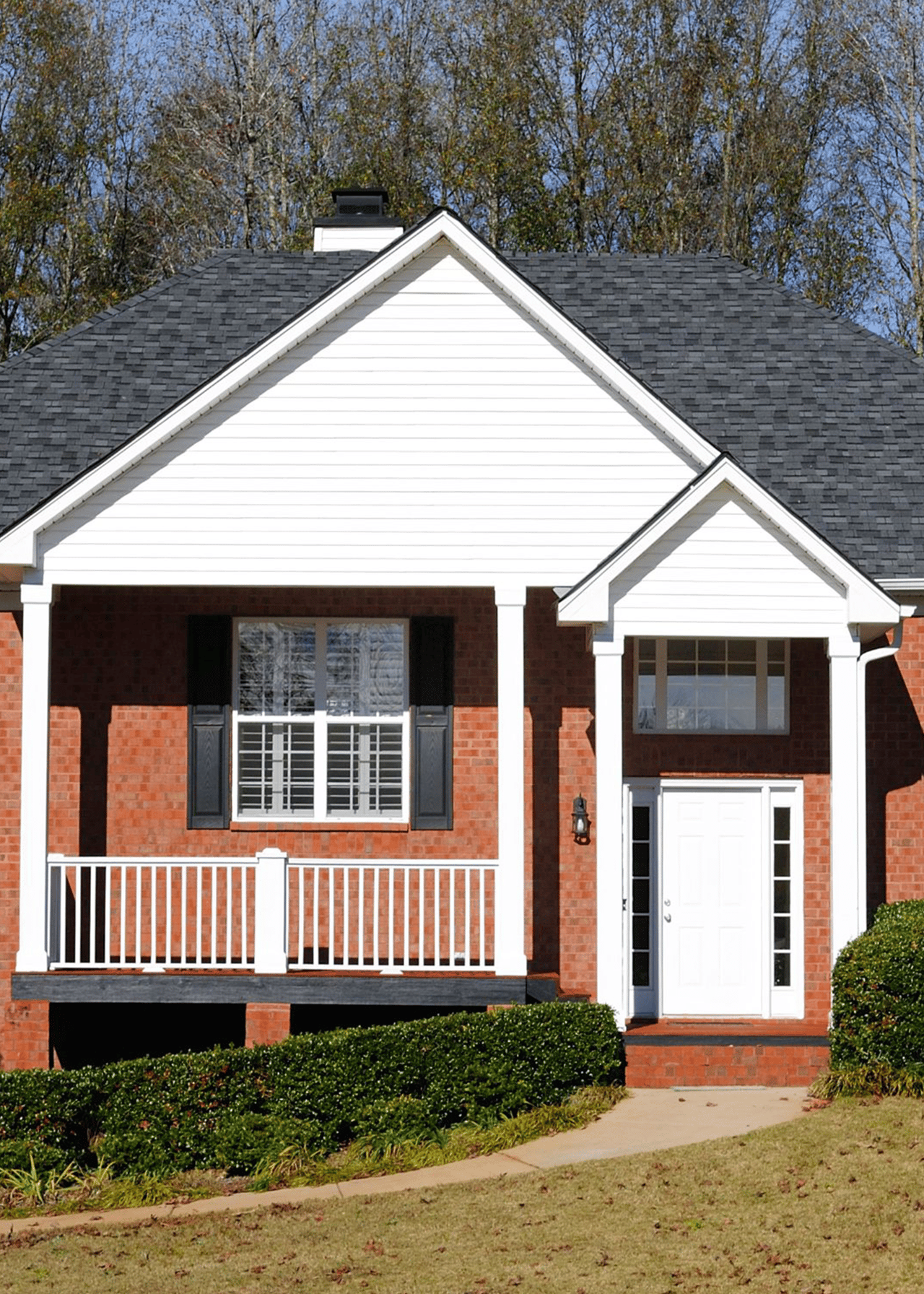
Trying to decide between a brand-new build in Pooler and a resale home you can move into right now? You are not alone. With rapid growth around I-95, I-16, and the Savannah/Hilton Head International Airport, you have strong options in both categories. In this guide, you will learn the real pros, tradeoffs, and local factors that shape your decision in Pooler, from incentives and HOAs to flood risk and timelines. Let’s dive in.
New construction in Pooler
Why new builds appeal
- Customization options let you select finishes, layouts, and upgrades if you buy early in the process.
- Systems, codes, and energy features are current, and many builders include limited warranties.
- Near-term maintenance tends to be lower than older homes.
- Many new communities include amenities like sidewalks, clubhouses, and pools.
Tradeoffs to plan for
- Timelines can slip because of materials, labor, or permits. Build with schedule flexibility in mind.
- Price negotiation is often limited. You may see incentives, but base prices and lot premiums are less flexible.
- Lot selection matters. Corner or larger lots can carry premiums, and backyard sizes may be constrained.
- HOAs and covenants are common. Expect rules on fencing, exterior colors, and rental policies.
- Resale performance can vary, especially if many similar homes list at the same time.
Builder process essentials
Before you sign, protect yourself with a clear paper trail and a plan for quality control.
- Request current HOA documents, architectural guidelines, and the fee schedule.
- Get a written list of what is included in the base price, plus pricing for upgrades.
- Confirm utility availability and any tap or connection fees for water, sewer, gas, and electric.
- Ask for the builder’s warranty booklet and the process for service requests and punch list items.
- Hire an independent inspector for pre-drywall and final inspections when permitted.
- Review incentive rules. Some benefits require using the builder’s preferred lender.
Resale homes in Pooler
Why resales work
- Price and terms can be more negotiable. You may secure concessions or seller-paid repairs.
- You can move sooner. There is no construction schedule.
- Established neighborhoods may offer larger lots, mature trees, and stable community character.
- You can add value with targeted renovations like kitchens, baths, or energy upgrades.
Risks to inspect
- Older systems like roofs, HVAC, plumbing, or electrical may be near the end of their life cycles.
- Energy efficiency can lag behind new builds unless previous owners updated insulation, windows, or HVAC.
- Termite and wood-destroying organism issues are possible and require professional checks.
- If the home is not on municipal sewer, budget for a septic inspection. A sewer scope can be wise on older sewer lines.
- If a property is in a FEMA flood zone, ask for an elevation certificate and any flood history.
Due diligence for resales
- Order a general home inspection and, as needed, specialist inspections for HVAC, roof, electrical, and plumbing.
- Verify that any renovations were properly permitted and closed out with the city or county.
- Use inspection findings to negotiate price, credits, or repairs.
- Confirm school assignments directly with the local district if they are important to your decision.
Cost, financing, and appraisal
Loans and timelines
- Completed spec homes often qualify for conventional, FHA, or VA mortgages.
- Custom or to-be-built homes may require a construction-to-permanent loan or a one-time-close product.
- Construction loans can require larger down payments and detailed budgets compared with standard loans.
Incentives vs. concessions
- Builders may offer closing cost help, rate buydowns, or upgrade credits, often tied to a preferred lender.
- Resale sellers are more likely to provide price reductions or concessions after inspections.
- Compare the net effect. Look at total purchase price, incentives or concessions, and your out-of-pocket at closing.
Appraisals in new subdivisions
- Appraisers depend on recent comparable sales. If a new community has limited closings, appraisals can be challenging.
- Ask your agent to collect the best comps and builder sales data to support value.
Taxes and insurance
New construction can trigger reassessment at a higher initial value. Check the tax assessor for how new improvements are assessed.
Flood and wind exposure can affect insurance costs. In mapped flood zones with lender financing, flood insurance is typically required.
Flood, utilities, and permits in Pooler
Flood and hurricane considerations
- Chatham County includes areas exposed to tidal flooding and storm surge. FEMA maps identify Special Flood Hazard Areas where flood insurance is commonly required with a mortgage.
- Even outside mapped zones, flood risk can exist. Elevation certificates and local floodplain information help you understand exposure.
- Wind standards influence construction. Newer homes may benefit from updated roofing and wind-load requirements.
Utilities and septic
- Confirm whether a property is on municipal water and sewer or uses a septic system. Septic requires routine maintenance and inspections.
- Ask about connection or tap fees for new lots. Confirm availability for gas, electric, and internet providers.
Permits and code compliance
- New homes require permits and a certificate of occupancy. Keep these documents for your records.
- For resales, verify that prior additions or renovations were permitted and inspected. Unpermitted work can create issues later.
Timeline and move-in needs
- If you must move quickly, resale homes offer immediate occupancy once you close.
- If your timeline is flexible, a new build can reward your patience with modern systems, warranties, and personalization.
- For military PCS timelines, consider whether a temporary rental or short-term stay is feasible if a new build runs long.
Resale value factors in Pooler
- Pooler’s location near Savannah, major highways, and regional employers supports steady buyer demand.
- New homes often carry a premium for modern features. When many similar homes list together, appreciation can slow for that set of properties.
- Lot quality, neighborhood position, school assignments, and build quality all influence future value.
- Strategic upgrades and good maintenance help both new and resale homes hold value.
How to decide: quick checklist
Ask yourself:
- Do you need to move now or can you wait for a build to finish?
- Do you value customization and new systems more than established landscaping and immediate occupancy?
- How important are lot size, community amenities, and proximity to your commute routes?
Questions for builders:
- What is the estimated timeline and what happens if there are delays?
- What do the HOA rules allow and what are the monthly or annual fees?
- What is included in the base price and what do popular upgrades cost?
- What warranties are included and how do service requests work after closing?
- Do incentives require a preferred lender?
Questions for resale sellers and inspectors:
- Are there recent inspection reports or service records for major systems?
- Were renovations permitted and closed out? Can we verify with the city or county?
- What is the property’s flood history, elevation, and drainage condition?
- When were the roof, HVAC, plumbing, and electrical last updated?
Next steps for Pooler buyers
- Define nonnegotiables like commute, budget, lot size, and timing.
- Compare MLS resale options with active new-home communities. Walk both to understand layouts and lot contexts.
- Get preapproved. If a new build is possible, ask lenders about construction-to-permanent or one-time-close options.
- For any property you like, verify permits, utilities, and flood maps, then schedule inspections.
- Compare total cost over 5 to 10 years. Include price, incentives or concessions, likely maintenance, energy use, HOA fees, insurance, and taxes.
If you want a steady hand to guide the process, our veteran-led team is ready to help you weigh the options, negotiate smartly, and navigate timelines with confidence. Reach out to Trophy Point Realty Group to get local, data-backed advice tailored to your move.
FAQs
What should Pooler buyers know about flood risk and insurance?
- Parts of Chatham County are in FEMA Special Flood Hazard Areas, where flood insurance is typically required with a mortgage. Always check FEMA maps, request elevation details, and price coverage before you buy.
Are new homes in Pooler usually more expensive than resales?
- New builds often carry a premium for modern systems and finishes, but builder incentives and lot premiums affect the final number. Compare total cost, including maintenance and energy use.
How do construction loans work for Pooler new builds?
- Custom or to-be-built homes may use construction-to-permanent financing that converts to a standard mortgage at completion. These loans can require larger down payments and detailed budgets.
Do I need an independent inspection for new construction in Pooler?
- Yes. Schedule inspections at key stages, such as pre-drywall and final, to catch issues early and confirm quality before closing.
How do HOAs in new Pooler communities affect homeowners?
- Many newer neighborhoods have HOAs with design standards, amenity fees, and use rules. Review the CC&Rs, guidelines, and fee schedule before you commit.