What is the right price for a Historic District home in Savannah? When each property tells its own story, it can be tough to land on a number that attracts the right buyers without leaving money on the table. If you are selling or trying to evaluate a list price, you want a clear, disciplined way to account for character, condition, flood exposure, and the rules that shape what you can change. In this guide, you will learn the factors that move price in Chatham County’s Historic District, the steps to build a confident pricing plan, and the pitfalls to avoid. Let’s dive in.
What makes Historic District pricing different
Savannah’s Historic District is recognized nationally, and that recognition brings both demand and oversight. Buyers are often drawn to character, walkability, and proximity to cultural amenities, which can support strong prices when the home’s integrity and condition align with demand. At the same time, exterior changes typically require review by a local historic board, and parts of the district sit in FEMA flood zones. Those realities affect costs, timelines, and what buyers will pay.
Inventory in historic areas tends to be tight. Limited supply can underpin higher pricing, but only if the home’s features and condition justify it compared to recent sales. Because every home is unique, comparable sales require bigger adjustments than you see in suburban subdivisions.
Key value drivers in Savannah’s Historic District
Architectural integrity
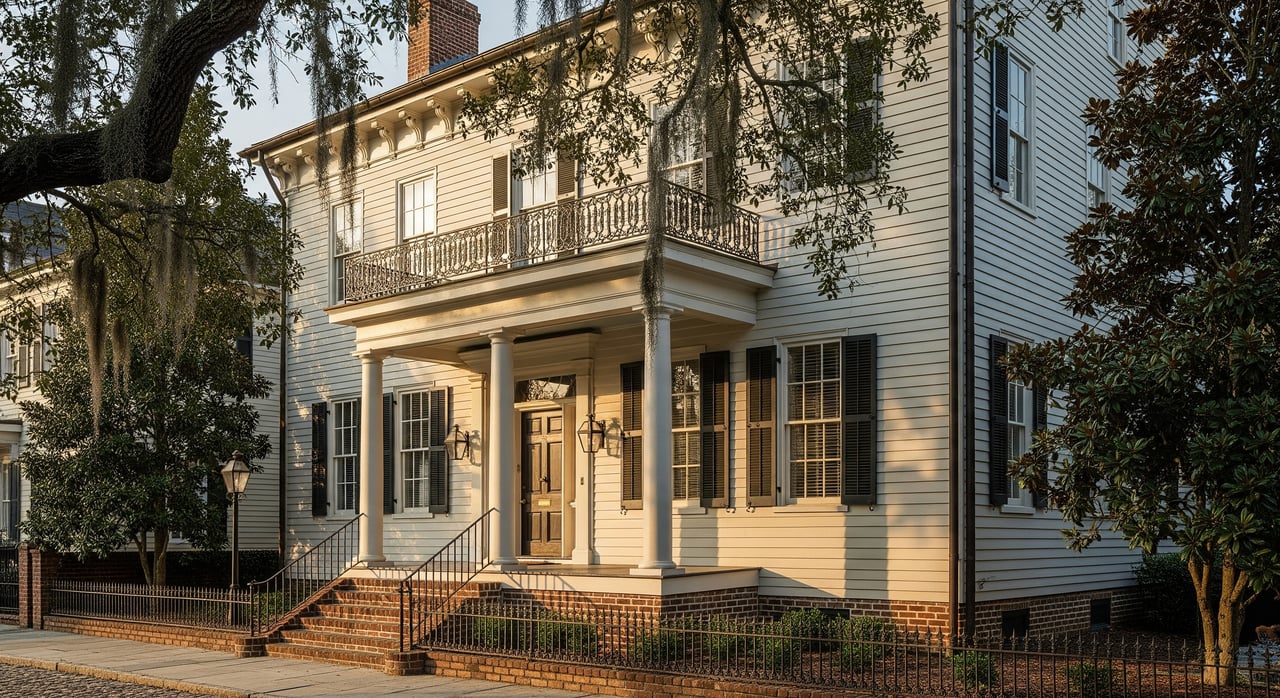
Buyers pay attention to original features. High integrity details like millwork, historic windows, mantels, staircases, and plasterwork can command a premium when they are well preserved. Renovations that respect the home’s style tend to help value. Inappropriate alterations can reduce it.
Condition and systems
Foundation, roof, HVAC, plumbing, electrical, insulation, and moisture control drive cost and risk. Deferred maintenance weighs on value more than cosmetic updates ever will. Historic homes often cost more to renovate because they require specialized materials and expertise, so buyers price that reality into offers.
Regulatory approvals and restrictions
Exterior alterations, additions, and even certain site features usually need review and approval by a historic commission. That process adds time and sometimes cost, which some buyers discount for. Preservation easements or covenants, if present, can further limit options and influence marketability.
Floor plan and function
Older layouts can be compartmentalized compared to modern open plans. Buyers will consider the cost to reconfigure interiors. Interior changes are typically more feasible than exterior changes, but you still need to understand what is permitted before assuming a low-cost fix.
Micro-location within the district
Proximity to squares, parks, riverfront, and active commercial corridors can boost value. Noise from tourism or traffic, and the feel of a specific block or rear street, can create premiums or discounts. Views and access to daily services matter too.
Flood exposure and insurance
Parts of Chatham County’s Historic District are in FEMA flood zones. Flood risk and insurance premiums affect lender terms, monthly costs, and buyer willingness. Properties with higher risk, or with mechanicals located below recommended elevations, may need mitigation. Buyers price that in.
Parking and site constraints
Narrow streets and limited off-street parking are common. Off-street parking, carriage houses, and usable outdoor space can add value. The lack of those features can reduce it, depending on buyer priorities.
Market supply and demand
Low inventory often supports firmer pricing, while a cluster of deferred-maintenance homes can pull values down. Keep an eye on list-to-sale ratios and days on market in the district and adjacent blocks to understand current leverage.
Incentives and credits
Tax incentives exist primarily for income-producing properties and certified rehabilitations. Federal historic rehabilitation credits and any state or local programs can shift the math for buyers planning a qualifying project. Always verify current eligibility and rules before counting on them.
Comparable sales realities
In a historic district, there are very few one-to-one comps. Expect larger adjustments for square footage, bed/bath count, recorded historic features, condition, parking, flood elevation, and recent preservation-quality work. When comps are sparse, it is acceptable to widen your time window or geography slightly, but be transparent about larger adjustments.
How to price your home the right way
Start with the right data
- Pull a focused CMA using the last 6 to 12 months of closed sales within the Historic District and immediate surroundings. Extend the window only if sales are thin.
- Confirm lot size, tax history, and legal description with county property records. Accuracy here avoids comp and appraisal surprises.
- Note each comparable’s recorded historic features, condition at sale, parking, and any flood zone or elevation details.
Quantify condition and cost-to-cure
- Get a thorough pre-listing inspection focused on structure, moisture, electrical, and plumbing.
- Request contractor estimates for obvious deferred items and any preservation-specific repairs.
- Decide which items to repair now and which to price into the listing. Buyers respond to credible documentation.
Check approvals and constraints
- Gather past permits and any historic board approvals. Buyers value proof that major work was done correctly.
- Identify any preservation easements or covenants and disclose them upfront.
- Understand typical review timelines for exterior changes so you can speak to buyer concerns.
Price using a documented adjustment framework
- Anchor your number to the best, most recent district comps, then adjust for historic integrity, condition, usable space, parking, flood exposure, and completed approved renovations.
- If inventory is tight and your home checks the boxes, a firmer initial price can make sense. If your buyer pool is narrower due to layout, condition, or flood risk, price competitively to attract the right buyers early.
- Track feedback and showings in the first 2 to 4 weeks. If traffic or offers lag, adjust quickly rather than sitting stale.
Present a “heritage packet” that supports your price
- Certificates of appropriateness, permit history, contractor invoices, and maintenance records.
- A summary of original features and preservation-quality work completed.
- Flood zone status, insurance quotes if available, and any mitigation steps taken.
Market to match your price
- Use professional photography that highlights architectural details and craftsmanship.
- Write copy that references documented features and approvals buyers care about.
- Offer credits for cosmetic updates instead of heavy pre-list renovations if buyers are likely to personalize.
Buyer guide: evaluating a list price
Build your true cost picture
- Get estimates for needed structural, systems, and moisture-control work.
- Confirm what exterior changes are typically allowed and the timeline for approvals.
- Obtain flood insurance quotes and lender guidance on flood elevation or mitigation requirements.
Stress test the price with comps and adjustments
- Compare to recent district sales, adjusting for size, condition, historic features, parking, and flood exposure.
- If comps are scarce, look to similar nearby historic neighborhoods with caution and keep adjustments explicit.
Consider income and incentives
- For income-producing properties, review whether federal and state historic rehabilitation credits could apply to a certified rehab. Those incentives can change your project budget and offer price.
Ask for the seller’s documentation
- Request prior approvals, permits, and any structural or contractor reports. Good records reduce uncertainty and help you justify your offer.
Methods pros use to nail the number
- Sales comparison with larger, transparent adjustments tailored to historic features and condition.
- Cost-to-cure overlays for major deferred maintenance items and moisture management.
- Consultation with an appraiser experienced in historic properties when financing or complexity warrants it.
- Carefully expanded comp sets when needed, with clear rationale for time and location adjustments.
- Early market feedback monitoring to confirm the price or pivot fast.
Pitfalls to avoid
- Over-relying on automated valuations. Tools like online estimates struggle with unique historic features and regulatory impacts. Use them only as a rough check.
- Ignoring flood and insurance. Premiums, lender terms, and mitigation costs move price materially.
- Underestimating renovation timelines. Historic approvals and specialized work take longer and can cost more.
- Assuming every renovation will be approved. Exterior materials and massing are tightly reviewed.
- Hiding restrictions or easements. Surprises kill deals. Transparency builds trust and protects your price.
Simple pricing checklists
Sellers: readiness checklist
- Inspection completed with contractor estimates for key items.
- Heritage packet compiled: approvals, permits, invoices, maintenance records.
- Flood zone and insurance info disclosed with any mitigation steps.
- CMA created with clear adjustments for features, condition, and flood exposure.
- Marketing plan aligned to highlight historic integrity and completed work.
Buyers: diligence checklist
- Flood zone verified and insurance quotes obtained.
- Renovation scope and approvals discussed with a preservation-aware contractor.
- CMA reviewed with explicit adjustments for features and condition.
- Cost-to-cure estimates gathered for structural and systems items.
- Incentives evaluated if the property is or will be income-producing.
Ready to price with confidence?
You do not need to guess. With disciplined data, preservation-aware adjustments, and transparent documentation, you can price a Historic District home to sell well and appraise cleanly. If you want a pricing plan tailored to your block, your features, and your timeline, our veteran-led team is ready to help. Connect with Trophy Point Realty Group for a focused valuation, staging advice, and a marketing strategy built for Savannah’s Historic District.
FAQs
What drives premiums for Historic District homes in Savannah?
- High historic integrity, strong condition and systems, and a prime micro-location near parks, squares, or amenities typically support premiums when paired with limited inventory.
How does flood risk affect price and financing in Chatham County?
- Flood zone status influences insurance costs and lender terms. Higher risk and mitigation needs lead many buyers to discount price to cover premiums and upgrades.
Will my exterior renovations be approved in the Historic District?
- Exterior changes are usually reviewed by a historic commission. Approval depends on materials, design, and preservation standards, so confirm scope and timelines before budgeting.
How do I adjust comps when every historic home is different?
- Use recent district sales first, then adjust for size, bed/bath count, documented features, condition, parking, and flood elevation. Expand the search carefully if sales are sparse.
Are automated valuations reliable for historic properties?
- They are useful as a coarse check only. Unique features, regulatory constraints, and flood factors often make automated estimates inaccurate for historic homes.