Looking for steady cash flow with manageable complexity? Small multifamily in Pooler can be a smart way to scale beyond single-family while keeping financing and management within reach. You want clear numbers, local context, and a plan you can actually execute. In this guide, you’ll learn how Pooler’s growth supports rentals, what 2–8 unit properties typically look like, how to underwrite deals, and how to run them with confidence. Let’s dive in.
Why Pooler fits small multifamily
Pooler’s growth and location create a solid backdrop for rentals. The U.S. Census estimates Pooler’s population at about 31,171 as of July 2024 and shows strong growth since 2020. That signals continued demand for housing and services. You can see the latest figures in the Census QuickFacts for Pooler.
- Growth and policy support. The city’s adopted plan, Pooler 2040, calls for more “missing-middle” housing like duplexes, triplexes, and small multifamily in targeted corridors and mixed-use areas. That local direction helps support future supply where zoning and infrastructure align.
- Job nodes that drive rentals. Pooler sits on major logistics corridors and includes the Amazon SAV4 fulfillment facility, which opened in 2023. Across the metro, the port economy and related employers support shift-based and commuter demand that fits workforce rentals.
If you want a market where everyday renters value proximity to jobs, parking, and practical amenities, Pooler’s setup checks those boxes.
What you can buy in Pooler
Expect classic small-multifamily types:
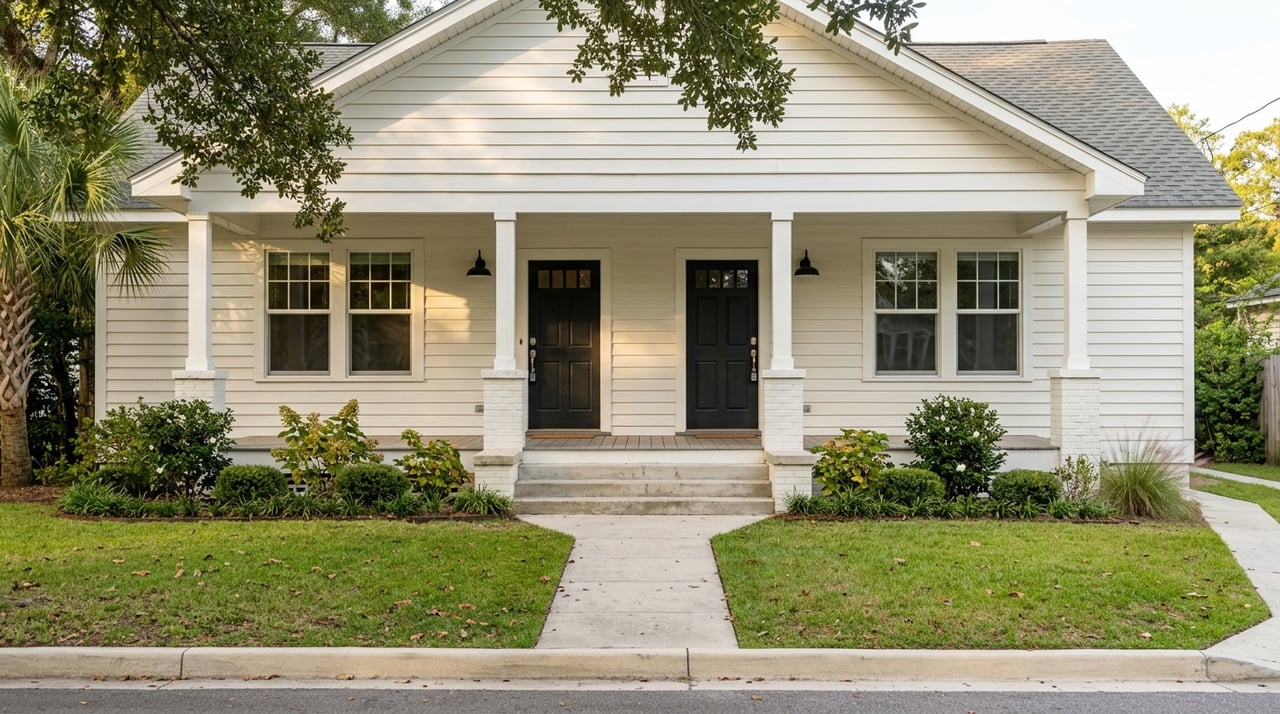
- Duplexes you can house-hack or rent both sides.
- Triplexes and fourplexes for residential financing scale.
- Small 5–8 unit garden-style buildings that may show up on commercial platforms.
For quick pricing context, Zillow’s ZHVI shows typical Pooler home values in the low-to-mid $300,000s, while the local rent index (ZORI) reflects average asking rents near 1,700 to 1,800 dollars. These give you a baseline for replacement cost and rent sensitivity. For small multifamily, prioritize the income approach over single-family medians.
In some periods, Pooler has fewer public 2–4 unit listings than nearby Savannah. When that happens, look to Savannah comps and adjust for distance to job centers, age, and unit mix. For example, a Savannah fourplex at 609–611 Tattnall St was listed around 950,000 dollars, or roughly 237,500 dollars per unit. Always normalize comps to your target property’s location and condition.
Rents, tenants, and demand signals
Start your model with realistic rent assumptions. Zillow’s Pooler rent index helps set the broad tone, but validate by unit size and condition. Cross-check with HUD’s Fair Market Rents for the Savannah area to keep your underwriting conservative.
Who is likely to rent your units? Pooler attracts logistics and warehousing employees, transportation and port workers, aerospace and manufacturing teams, hospitality and retail staff, and health care workers. That mix often values parking, secure entries, basic in-unit appliances, and reliable maintenance. Keep the product clean, safe, and functional.
Recent apartment deliveries across the metro have added supply at times, which can moderate rent growth and raise concessions. Underwrite with a modest vacancy and concession buffer, and ask local property managers about current incentives before you price a lease-up.
Underwriting steps that protect returns
Underwrite to reality, not to a flyer. Build your analysis around verifiable income and expenses, then sanity-check pricing using local cap rate ranges.
Verify income and leases
- Get a current rent roll, copies of leases, and security-deposit records.
- Confirm who pays which utilities and the lease start and end dates.
- If units are vacant, model a realistic lease-up timeline and concessions.
Confirm expenses and taxes
- Request the last 12 months of income and expense statements plus recent utility, insurance, and service invoices.
- Pull the latest tax bill. The City of Pooler publishes a millage brochure for the municipal portion. Total taxes vary with county and school millage; verify the combined number for the parcel.
Inspect systems and check flood exposure
- Have a licensed inspector evaluate the roof, HVAC, plumbing, electrical, and structure.
- Confirm sewer vs septic and scope lines as needed.
- Use City of Pooler planning resources to evaluate flood maps and environmental considerations for your parcel and corridor.
Validate zoning and unit legality
- Confirm the current zoning designation allows the existing unit count and use.
- For any changes, consult the city’s zoning administrator and the Pooler 2040 plan to understand the path for variances or PUD adjustments.
Price on NOI and local cap signals
- Build your pro forma from actuals and conservative rent comps.
- Compare price-per-unit and income metrics to recent small-multifamily comps. In the Savannah area, public listings often imply cap rates roughly in the mid single digits. Use those signals to sense-check your pricing and risk.
Quick deal checklist
- Verified rent roll and leases with terms and deposits.
- Last 12 months P&L, recent tax bills, insurance policy or quote.
- Full physical inspection, plus sewer/septic, and flood exposure review.
- Zoning confirmation for current use and unit count.
- Comps for 2–4 units and any relevant small-apartment listings nearby.
- Underwrite to actual income and conservative rent assumptions.
Financing basics for 2–8 units
- 2–4 units often qualify for residential financing with different down-payment and underwriting guidelines than commercial. You may have options for owner-occupant strategies if you plan to live in one unit.
- 5+ units typically fall under commercial or small-multifamily terms. Expect lenders to focus on DSCR, stabilized NOI, and in-place rents.
- Always confirm the exact loan program, DSCR thresholds, and closing timeline with your lender before you go hard on earnest money.
Management and rehab that keep returns real
Your operating plan is as important as your purchase price. In Pooler’s workforce-driven market, clean operations protect cash flow and reputation.
- Property management. Full-service fees for small residential portfolios often run about 8 to 12 percent of collected rent, with separate leasing and placement fees. Ask for a full fee schedule and sample owner statements before you sign.
- Rehab planning. Group work into make-ready, systems updates, and full-scope renovations. Get three written bids for major trades and include a 10 to 20 percent contingency in your budget.
- Compliance. Align leases and procedures with Georgia landlord-tenant law. If you face an eviction, the dispossessory process is governed under O.C.G.A. Title 44. A seasoned local manager or attorney is worth the cost.
- Reserves and replacements. Map major capital items like roofs, HVAC, and water heaters. Carry an operating reserve that reflects building age and your risk tolerance.
Turnkey help for remote investors
If you live out of state or prefer hands-off execution, a unified local partner can simplify every step:
- Sourcing. Local relationships surface on- and off-market opportunities and provide early reads on pricing and competition.
- Diligence. Coordinated inspections, rent-roll verification, tax pulls, and zoning checks reduce surprises.
- Rehab. A single point of accountability manages contractors, schedules, and budget tracking, with progress photos and weekly updates.
- Leasing and operations. From marketing and tenant screening to rent collection, maintenance, and reporting, consistent systems protect your time and returns.
Your 30-day action plan
- Pull 3 to 5 recent 2–4 unit sold comps within 0 to 15 miles of Pooler and build price-per-unit and cap-rate ranges.
- Ask the seller for current rent rolls, leases, and the last 12 months P&L; verify with a third-party manager.
- Price taxes accurately using the County and City resources, starting with the City of Pooler millage brochure.
- Schedule a full inspection and confirm flood exposure with City of Pooler planning resources.
- Obtain 3 contractor bids for any planned work and add a contingency line.
- Align financing with your plan: verify DSCR, down payment, and whether the property fits residential or commercial terms.
When you use verified local data, conservative rents, and disciplined management, small multifamily in Pooler can be both practical and scalable.
Ready to find, underwrite, and manage the right duplex or fourplex in Pooler? Connect with the veteran-led team at Trophy Point Realty Group for sourcing, rehab oversight, and property management you can trust.
FAQs
What makes Pooler attractive for small multifamily investors?
- Population growth, supportive planning for missing-middle housing, and job drivers like logistics and fulfillment create steady rental demand.
How should I estimate rents for a Pooler duplex or fourplex?
- Start with Zillow’s local rent index for context, then validate by unit size and condition and cross-check with HUD’s Fair Market Rents for the Savannah area.
What cap rates should I expect near Pooler?
- Public small-multifamily listings in the Savannah area often imply cap rates in the mid single digits; price off actual NOI and use comps to sanity-check.
Which expenses do investors overlook most in Pooler?
- Underestimated taxes, insurance, and future capital items like HVAC or roofs; confirm taxes with city and county sources and build a reserve for replacements.
How do I verify if a Pooler property’s unit count is legal?
- Confirm the zoning designation and permitted uses with the city and review the Pooler 2040 plan; contact the zoning administrator for clarity before closing.
What should I ask a property manager before I hire them?
- Request a full fee schedule, sample owner statements, leasing criteria, maintenance workflow, and communication standards, plus references from current owners.