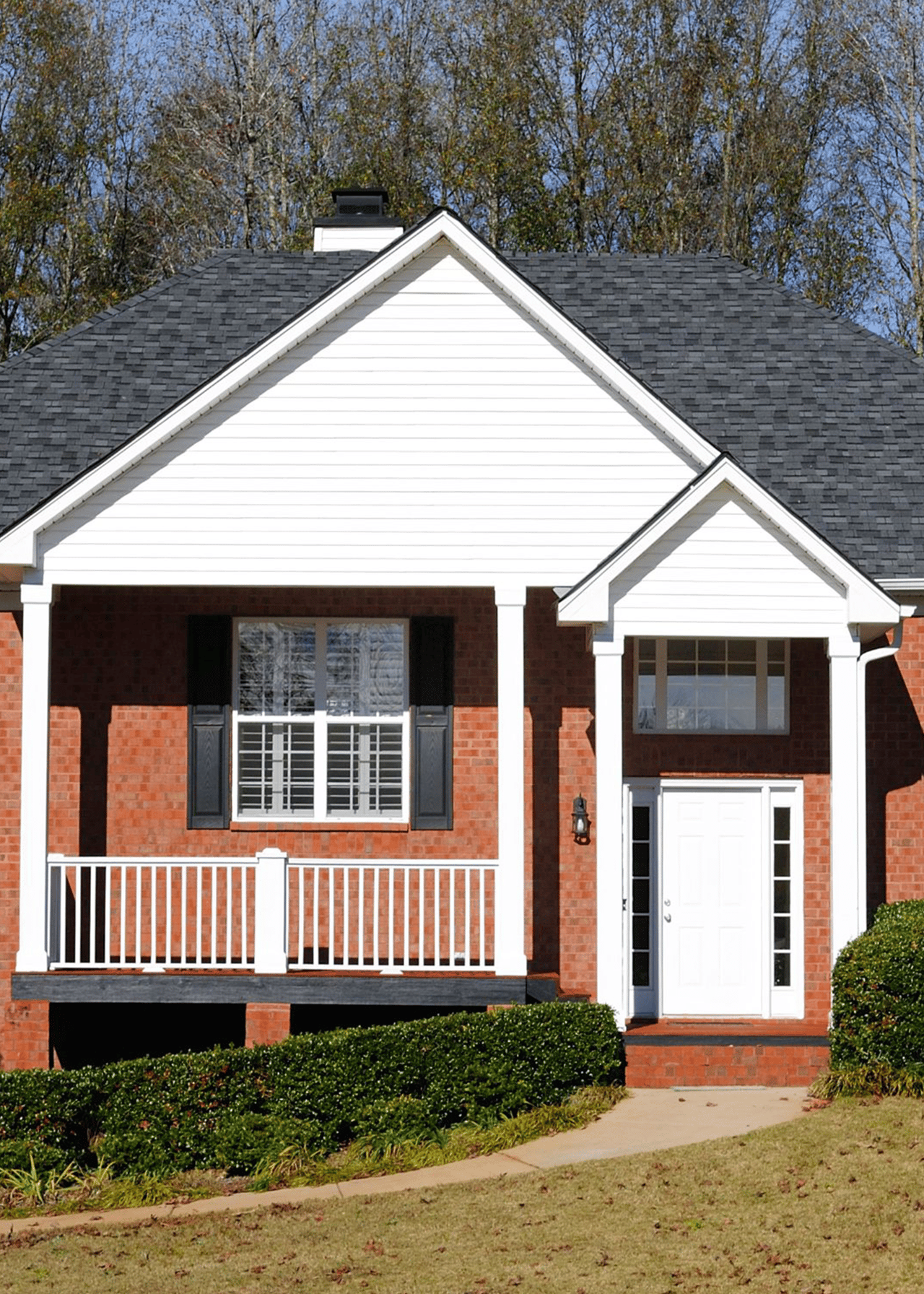
Walk two blocks on the north end of Tybee Island and you can find a pair of nearly identical two-bedroom cottages, same era of construction, same distance to the sand, listed weeks apart. One sells for tens of thousands more than the other. The difference has nothing to do with the kitchen, the roof, or the lot. It comes down to a single piece of paper: whether the property already holds an active, transferable short-term rental permit, and whether that permit survived the last time the city changed the rules.
That paper is the real driver of value on Tybee right now, more than square footage or ocean proximity. And the rules governing it just moved twice in the same month. On August 6, 2026, a Chatham County Superior Court judge dismissed a lawsuit that had been the industry's best hope of reopening the permit rolls. Three weeks later, on August 27, City Council is scheduled to take a second reading on a completely separate proposal that would rewrite the whole system again. If you're evaluating a Tybee purchase with rental income in mind, both of those dates matter more than the comps.
What actually froze in October 2022
Tybee has regulated short-term rentals since 2016, but the rule that shapes today's market dates to October 2022, when City Council voted to stop issuing new short-term vacation rental permits in the island's R-1, R-1-B, and R-2 residential zones. Those three zones cover roughly 80 percent of the island. Anything already permitted at that point could keep operating. Anything not permitted was locked out, permanently, unless the rules changed again.
That freeze did not touch every parcel equally. Commercial zones, C-1 and C-2, were never part of it. A property in a commercial district can still apply for a new short-term rental certificate today under the standard process. The freeze only applies to residential zoning, which happens to be where most of the island's housing stock sits. That single zoning distinction is the first thing to check before you assume a listing's rental potential, and it's a fact you confirm with the city, not by taking a listing description at its word.
Why the permit doesn't follow the sale
The freeze created scarcity. What turned that scarcity into a hard wall was a second ordinance passed in June 2024. Under that rule, a short-term rental certificate cannot transfer when a property changes ownership through sale, death, or marriage. If you buy a residentially-zoned Tybee property today, even one with an active grandfathered permit, you cannot simply pick up where the seller left off. The certificate belongs to continuous use by the prior holder, not to the deed.
A short-term rental permit on Tybee does not follow the property. It follows continuous, documented use, and that use resets to zero the moment the parcel changes hands in a frozen zone.
This is the friction that catches buyers off guard, because it runs against how permits usually work in most transactions. A buyer who assumes a "grandfathered STVR" listing means the income transfers with the keys is making a mistake that can cost real money at closing, since a new application in a frozen residential zone simply is not accepted. The only way current rental income keeps flowing after a sale is if the specific structure of the deal, and the specific zoning designation, allows it, which is rare and worth verifying line by line with the city's planning office before you write an offer.
What just got settled, and what's still five days out
Two different legal and legislative tracks have been running on Tybee at the same time, and it's worth separating them.
The first was a lawsuit filed by a group calling itself the Tybee Alliance, challenging the city's authority to freeze permits through zoning. That case was argued before Judge Christopher K. Middleton in January 2026. On August 6, 2026, Judge Middleton dismissed it, which means the October 2022 freeze stands as written. If you're underwriting a Tybee deal this month, that freeze is not a temporary condition waiting on a court ruling. It's settled law, at least for now.
The second track is unrelated to the lawsuit and moving on its own timeline. City Council has been considering a proposal that would replace the blanket residential freeze with a four-zone system, allowing different short-term rental caps depending on where a property sits relative to the beach and commercial core. Residents spoke on the draft at a public hearing on August 13, 2026, and a second reading is scheduled for August 27, 2026, five days from today. If it passes, it would not simply lift the freeze. It would replace one scarcity structure with a different one.
Here's how the proposed caps break down by zone, based on the draft as presented at the August 13 hearing:
| Zone | Character | Proposed short-term rental cap |
|---|---|---|
| Eastern and southern sectors | Beach and commercial district | Up to 60% of eligible units |
| Western and northern sectors | Residential neighborhoods | Up to 30% of eligible units |
Two things worth noting about that table. The percentages apply to eligible residential units within each zone, not to every home on the island, so the practical number of new permits that could open up depends on how the city defines eligibility once the ordinance is finalized. And even under the more generous eastern and southern caps, the ordinance also proposes real teeth on enforcement, including a 20-person cap on gatherings at rental properties and tighter insurance and management requirements for anyone holding a permit.
If this passes on August 27, it changes the math on every Tybee listing currently priced around its permit status. If it doesn't, the freeze from 2022 and the non-transferability rule from 2024 remain the entire system, and the current scarcity premium holds.
The price of scarcity, and how to verify it
That premium is not speculation. Tybee properties with an active, transferable short-term rental permit have been commanding somewhere in the range of $50,000 to $150,000 more than comparable unpermitted properties on the island, a gap that exists purely because of what the permit lets you do the day after closing. Combine that with what those permits actually earn, seasonal average daily rates in the $275 to $450 range with summer occupancy commonly running above 80 percent and winter occupancy dropping under 40 percent, and you can see why buyers are willing to pay for the certificate itself, separate from the house sitting underneath it.
Before you let that premium justify an offer, verify it the way a disciplined buyer should:
- Request the current short-term rental certificate directly, not a seller's description of one. Certificates run January 1 through December 31 and must be renewed each year between January 1 and March 31, though the city extended this year's renewal deadline to May 31, 2026.
- Confirm the zoning designation on the parcel itself. R-1, R-1-B, and R-2 mean the freeze applies. C-1 or C-2 means it doesn't.
- Ask for proof of continuous use. A permit that's been idle can be treated as lapsed, which matters enormously in a market where a lapsed permit in a frozen zone cannot be replaced.
- If your closing date lands anywhere near August 27, ask your agent to monitor the council vote before you finalize your offer terms. A zoning change of this size can shift the value of a permit within days.
- Do not assume any income projection you see attached to a listing survives the transfer. Model your offer on what the permit does for you as the new owner, not what it did for the seller.
If you're not chasing rental income
Not every Tybee buyer wants a short-term rental. If you're looking for a primary residence, a long-term rental, or a family property you have no intention of listing nightly, the entire calculus above works in your favor. An unpermitted property in a frozen residential zone is not a liability if you were never going to apply for a certificate anyway, and you shouldn't pay a scarcity premium for an income stream you don't intend to use. That's often where the better value sits right now, especially in the western and northern parts of the island where any future permit caps, if the August 27 vote passes, would be tightest anyway.
A short FAQ
Does a Tybee short-term rental permit ever expire on its own? Yes. Certificates are valid for a single calendar year and must be renewed annually. A permit that lapses because an owner didn't renew, or wasn't actively using it, loses its grandfathered status and cannot simply be reinstated in a frozen residential zone.
If the August 27 vote fails, does anything change? No. The October 2022 freeze and the 2024 non-transferability rule remain the operating rules, exactly as they stand today, since the lawsuit challenging them has already been dismissed.
Can I apply for a brand-new permit right now if I'm buying in a commercial zone? Yes. The freeze never applied to C-1 or C-2 zones. New applications in those areas go through the standard city process regardless of what happens with the residential zone proposal.
If you're weighing a Tybee purchase against the numbers above, or trying to figure out whether a listing's rental history means anything for you as the buyer, our team at Trophy Point Realty Group tracks these ordinance changes as part of how we underwrite deals for clients, not as an afterthought. Reach out for a free consultation before you write an offer, and we'll walk the zoning and permit history with you line by line.