If you picture Tybee Island as a vacation spot only, year-round life there may surprise you. Living on Tybee full time means balancing beach-town charm with a tourism-driven pace, seasonal traffic, parking rules, and the practical realities of coastal ownership. If you are thinking about making Tybee your primary home, this guide will help you understand what daily life really looks like and what to plan for before you buy. Let’s dive in.
Tybee Feels Different by Season
Tybee Island is a small barrier island, and that scale shapes everyday life. According to the City of Tybee Island Comprehensive Plan, the island is about three square miles, tourism is the main economic driver, and the full-time population topped 3,000 in the 2020 Census.
That number changes fast in peak season. The city reports summer daytime population levels above 30,000, which helps explain why weekends can feel dramatically different from weekday life in cooler months. For you as a full-time resident, that means island living comes with a very real seasonal rhythm.
Peak Season Brings Energy and Crowds
During busy weekends and summer periods, Tybee gets much more active. The city notes that large crowds, traffic controls, and limited parking all become part of the experience, so simple errands or trips on and off the island can take longer than you might expect.
If you enjoy a lively coastal setting, that energy may be part of the appeal. But if you are considering Tybee as a primary residence, it helps to go in with clear expectations about congestion and the tourism-first tempo during high-demand months.
Off-Season Brings a Quieter Pace
Winter and cooler-weather months feel noticeably calmer. The city has even highlighted reduced winter parking rates and a quieter off-season atmosphere, which supports what many buyers want to know: full-time residents do get a slower, more relaxed stretch each year.
For many homeowners, that balance is the point. You get access to the beach and coastal setting all year, but you also need to be comfortable with the fact that Tybee does not feel the same in July as it does in January.
Commuting Requires Planning
Tybee Island sits about 17 miles east of downtown Savannah, but the trip can feel longer depending on the day and season. The city says most visitors arrive by car, U.S. 80 is the main road, and there is no rail service, ferry service, or CAT transit to the island, according to the Comprehensive Plan.
That matters if you work off-island, have regular appointments in Savannah, or expect frequent trips for shopping and errands. While residents use walking, biking, golf carts, and limited on-demand transit, daily life is still largely car-dependent.
One Main Route Changes the Math
Because U.S. 80 is the main way on and off the island, traffic conditions can affect your routine fast. On peak weekends, the city uses barricades, emergency lanes, and other traffic controls to manage flow, so commute times may stretch beyond what the mileage suggests.
If you are relocating for work, especially on a tighter timeline, this is one of the biggest practical questions to weigh. The map may look manageable, but your experience can vary a lot depending on the season, day of the week, and time of day.
Housing Offers Variety, but Prices Reflect the Market
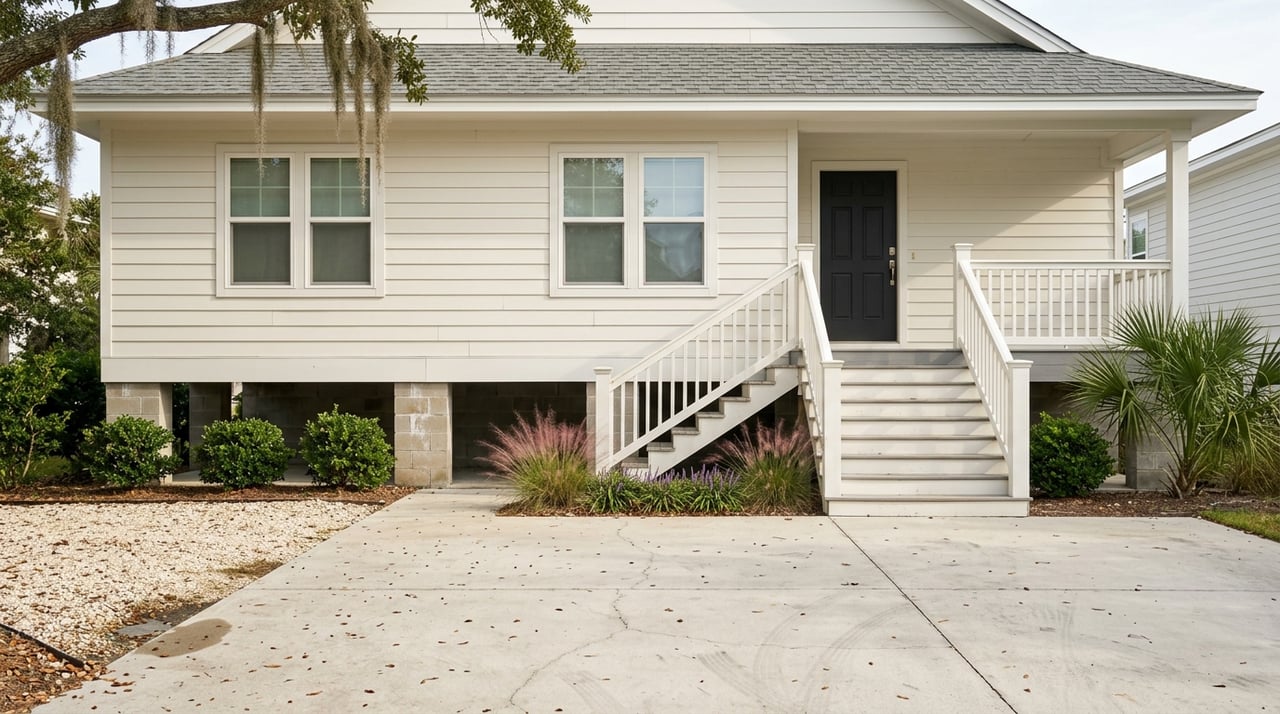
Tybee's housing stock is more varied than many buyers expect. The city's planning documents describe a mix of single-family homes, two-family homes, multi-family buildings, townhomes, condominiums, guest cottages, residential-tourist uses, and vacation rentals, along with traditional cottages and larger homes in different parts of the island.
The same plan notes that Tybee housing is generally safe and high-quality, but increasingly expensive, with pressure tied in part to the expanding short-term rental market. If you are shopping here, that means lifestyle and budget need to be aligned from the start.
What the Housing Mix Looks Like
The ACS-based data in the city's plan reported about 3,441 housing units in 2019. Single-family detached homes made up 61.3% of the housing stock, while buildings with 50 or more units were the second-most common housing type at 8.9%.
For you, that means there are options beyond detached beach houses. Depending on your goals, smaller condos or other attached housing may offer a more accessible entry point into the Tybee market.
What Prices Suggest
Current pricing varies by data source, but the broad picture is clear: Tybee is priced like a coastal destination market. The research report shows Zillow average home value data at $616,899 as of February 28, 2026, Redfin's February 2026 median sale price at $620,000, Realtor.com median sale price at $729,500, and Zillow median list price at $739,667.
Because those numbers come from different methods and dates, the safest takeaway is a general pricing band. Value-oriented data falls in the low- to mid-$600,000s, while list and sale medians trend in the low- to mid-$700,000s.
One helpful detail from the research is that smaller properties can offer a lower-cost entry. Zillow showed an active one-bedroom listing at $289,000, which suggests that condos or compact units may work for buyers who want Tybee access without stretching into the upper end of the market.
Daily Life Includes Parking Rules
Parking is not just a visitor issue on Tybee. It is part of everyday life for residents too. The city states that paid parking is enforced from 8 a.m. to 8 p.m. every day, and there are roughly 2,100 parking spaces on the island.
That structure matters when you are thinking about guests, errands, beach access, and high-traffic weekends. On crowded beach days, the city warns that the island can feel overcrowded, which is something full-time residents need to factor into routine planning.
Why Parking Matters for Residents
If you are used to mainland suburb convenience, Tybee may require an adjustment. Parking management affects visitors, but it also shapes how residents move through the island, especially when demand spikes.
This does not make Tybee less livable. It simply means convenience works differently here, and buyers who do best on Tybee are usually the ones who expect that up front.
School Logistics Stay Simple, but Limited
If you have children, school planning is an important part of the conversation. The city's plan says Tybee has one school on the island, and that school is Tybee Island Maritime Academy, a public charter K-8 school on Lovell Avenue in the former St. Michael's campus.
According to the same report, Savannah-Chatham County Public Schools also buses students to and from the island. For many families, that means Tybee can work, but it often involves more planning than a larger mainland community with multiple nearby school options.
What to Expect From School Access
TIMA reports that it serves students across Chatham County, has 425 students, and maintains a waitlist of more than 200. That is a useful signal for buyers who are trying to think several steps ahead.
The practical takeaway is simple. If you want to live on Tybee full time with school-age children, you should be comfortable with a limited on-island option and likely off-island logistics as kids get older.
Coastal Ownership Means Flood Planning
Flood risk is part of the background of owning property on Tybee Island. The city's repetitive-loss analysis identifies tidal flooding as the most frequent flood cause on the island and treats flooding as an island-wide issue.
The city's comprehensive planning also emphasizes disaster preparedness, sea-level-rise adaptation, and flood insurance for federally backed loans. That does not mean Tybee is not a good place to buy, but it does mean coastal resilience should be part of your decision-making from day one.
Questions to Ask Before You Buy
As you evaluate a Tybee property, think beyond the home itself. You will want to understand flood exposure, insurance expectations, maintenance needs, and how the location functions during heavier weather or tidal events.
This is one area where local guidance matters. A coastal purchase can be a great fit, but it should come with a clear-eyed plan for ownership costs and risk management.
Who Tybee Fits Best
Year-round life on Tybee tends to fit buyers who want a small coastal community and understand the tradeoffs that come with it. The city itself frames Tybee as a tourism-shaped environment where seasonal congestion, parking management, and flood planning are part of the picture.
If you want a quieter beach-town stretch in the off-season, walkable island moments, and close access to Savannah, Tybee may be a strong match. If you need a highly predictable commute, multiple nearby school options, or a less seasonal environment, you may want to weigh those factors carefully before making a move.
What to Think About Before Buying
Before you buy on Tybee Island, it helps to pressure-test your decision against real daily routines. Ask yourself:
- How often will you need to commute off-island?
- Are you comfortable with seasonal traffic and parking controls?
- Does your budget match Tybee's coastal pricing?
- Would a condo or smaller unit meet your needs?
- Are you prepared for flood insurance and coastal maintenance planning?
- If you have children, do the school logistics work for your household?
The more clearly you answer those questions now, the more confident you can feel about whether Tybee is the right primary-home fit.
If you are weighing Tybee Island against other Savannah-area options, local guidance can save you time and help you focus on homes that match your lifestyle, budget, and day-to-day needs. Connect with Trophy Point Realty Group for practical, on-the-ground insight and a steady plan for your move.
FAQs
What is year-round living on Tybee Island really like?
- Year-round living on Tybee Island is shaped by strong seasonality, with busy summers, crowded weekends, and a much quieter off-season during cooler months.
How difficult is commuting from Tybee Island to Savannah?
- Tybee Island is about 17 miles from downtown Savannah, but commuting can take longer during peak periods because U.S. 80 is the main route and traffic controls are used on busy weekends.
What kinds of homes are available on Tybee Island?
- Tybee Island has a mix of single-family homes, condos, townhomes, multi-family buildings, guest cottages, and vacation-rental style properties.
Are Tybee Island home prices expensive for full-time buyers?
- Tybee Island pricing generally falls in a coastal-market range, with research showing value data in the low- to mid-$600,000s and list or sale medians in the low- to mid-$700,000s.
What should buyers know about parking on Tybee Island?
- Buyers should know that parking is actively managed year-round, enforced from 8 a.m. to 8 p.m. daily, and can affect everyday convenience during busy beach periods.
What should families know about schools on Tybee Island?
- Families should know that Tybee has one on-island public charter K-8 school, and older students or other school choices may involve off-island transportation and planning.
Is flood risk part of owning a home on Tybee Island?
- Yes, flood planning is an important part of ownership on Tybee Island because the city identifies tidal flooding as a frequent island-wide issue and emphasizes preparedness and insurance considerations.